Environments where coordination failure has a consequence.
The six domains recombine differently in each of these environments. What stays constant is the problem: capability distributed across organisations, systems and vendors that were never designed to work together.
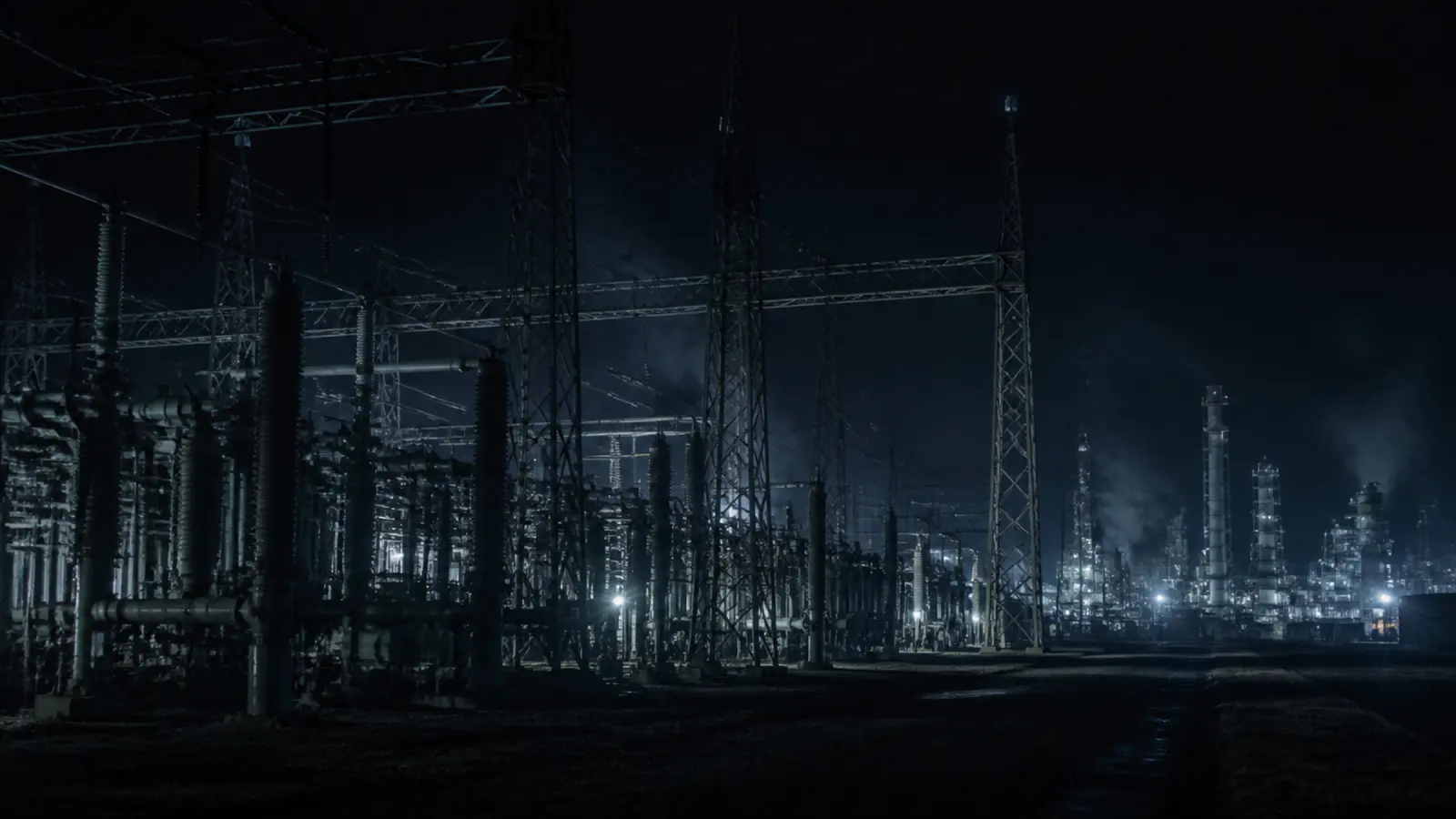
Critical infrastructure
Power, water, telecoms and data-centre estates where the perimeter is long, the consequence of loss is national, and the operator is judged on availability rather than incidents.
Airports & transport hubs
Airside and landside environments with a live regulatory relationship, a permanent airspace exposure and a passenger flow that cannot be stopped to accommodate a security programme.

Borders & sensitive sites
Extended boundaries with sparse coverage, difficult terrain and a detection-to-response time that is measured in the distance a patrol has to travel.
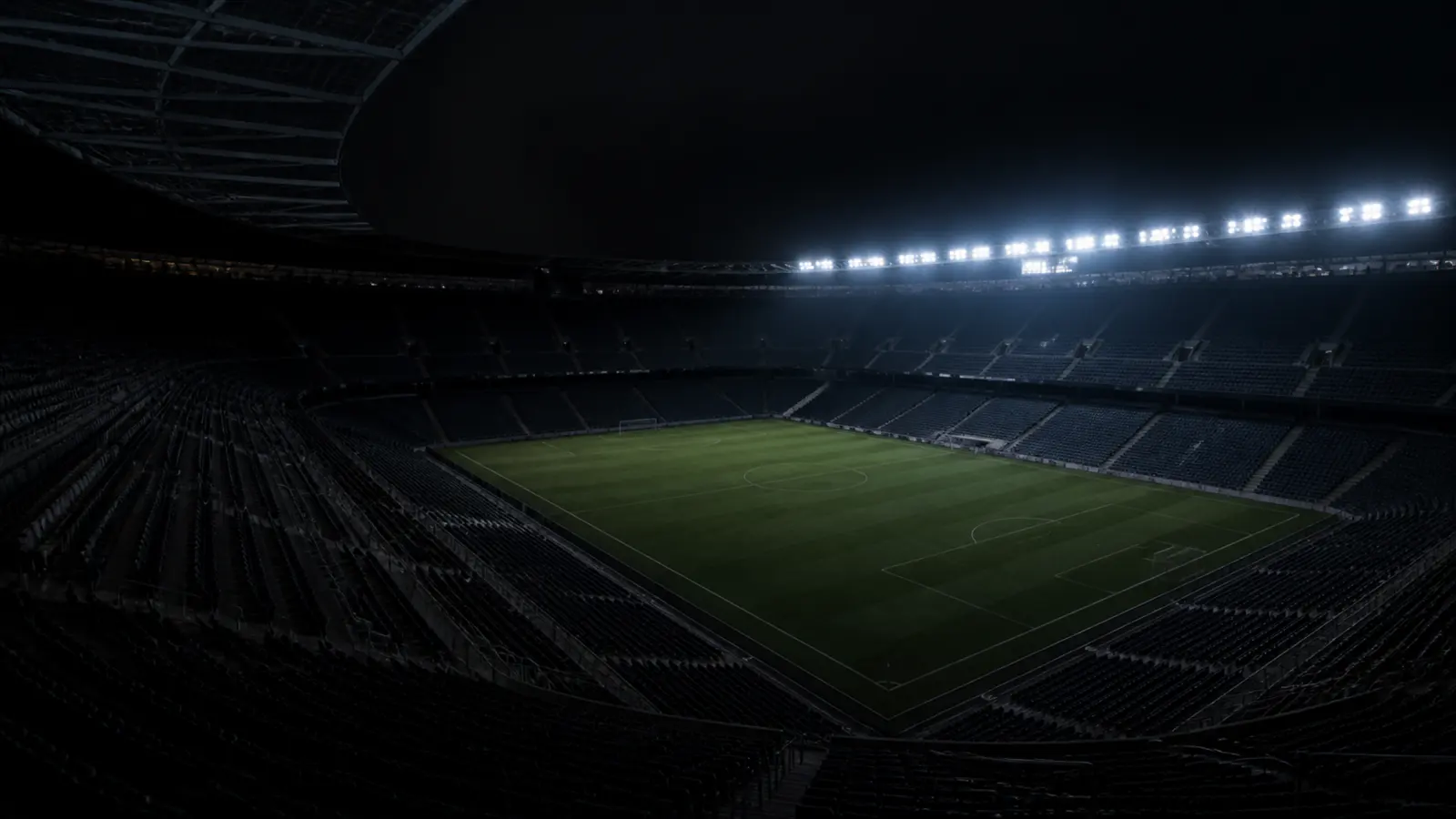
Events & VIP protection
Temporary command structures that stand up in days, run at full intensity, and must interoperate with agencies who have never shared a talkgroup before.
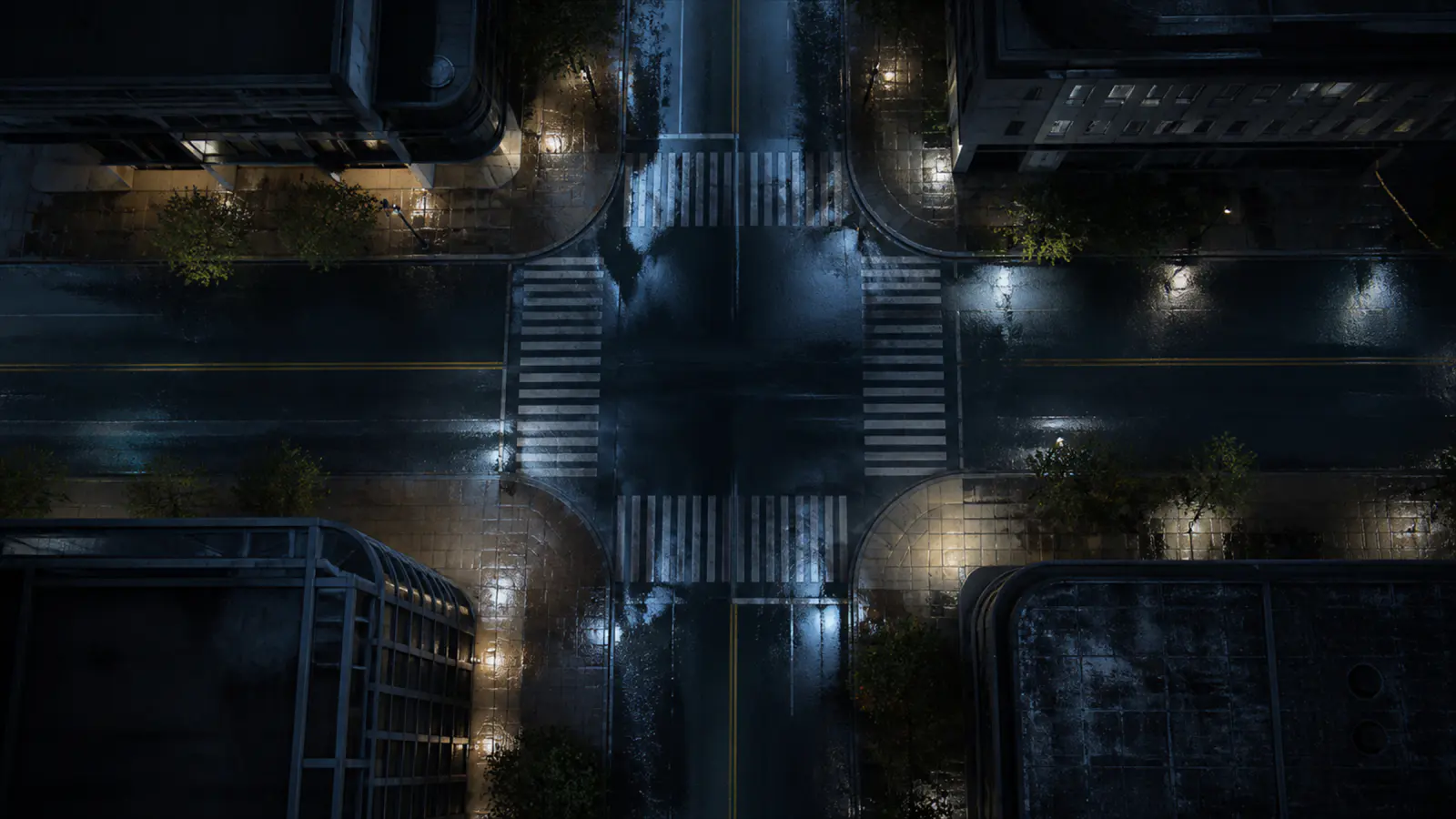
Cities & public safety agencies
Emergency call handling, dispatch, field response and the evidence chain behind them, across agencies with separate budgets, separate systems and one shared incident.
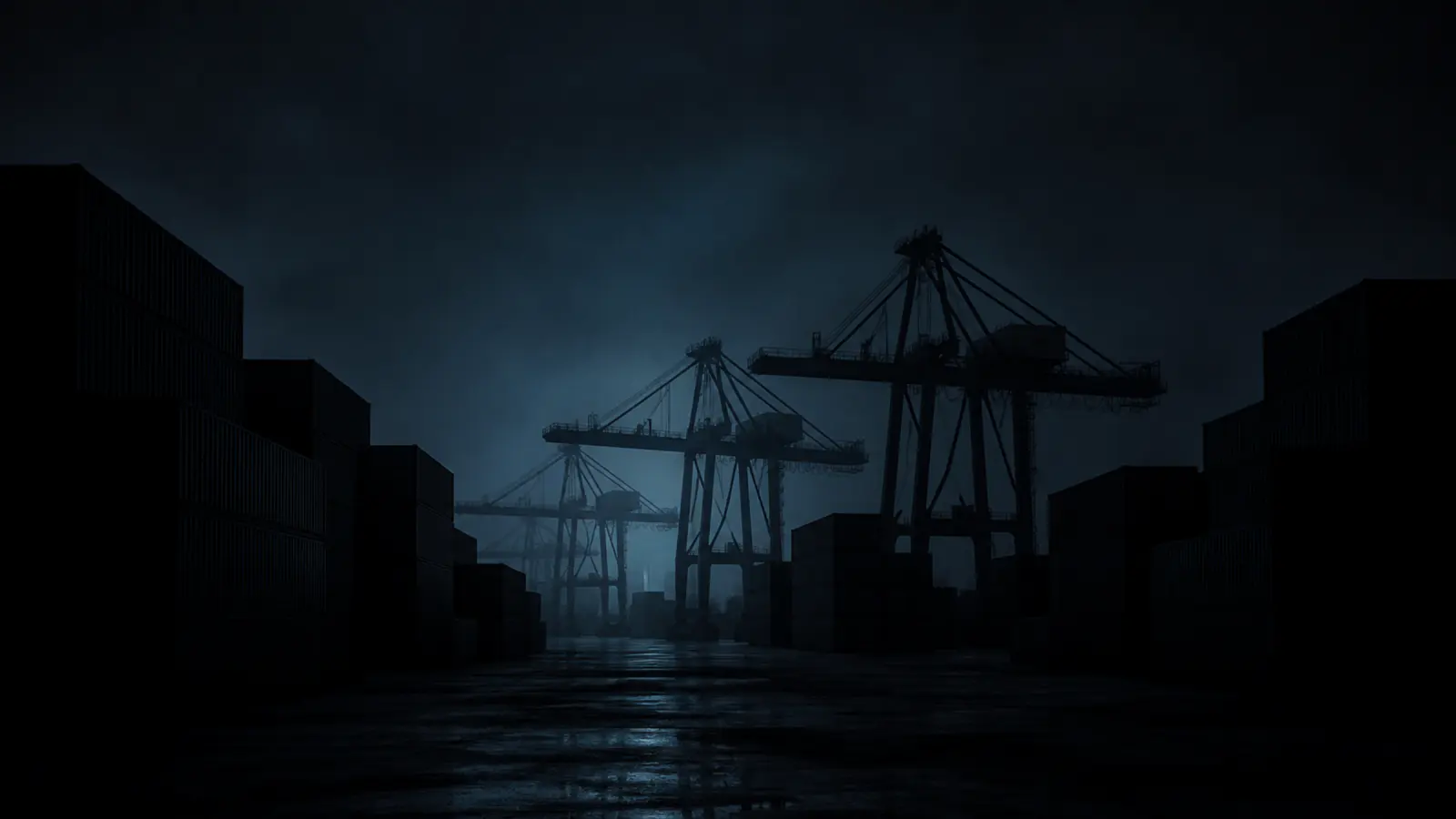
Industrial & energy sites
Large, hazardous or remote sites where inspection carries risk, response distances are long, and safety and security requirements are written by different people.
Start with the problem, not the catalogue.
A scoping session establishes what you are actually trying to achieve, what is already in place, and whether we are the right people for it. If we are not, we will say so.